
 02-567-1349
 845-694-7148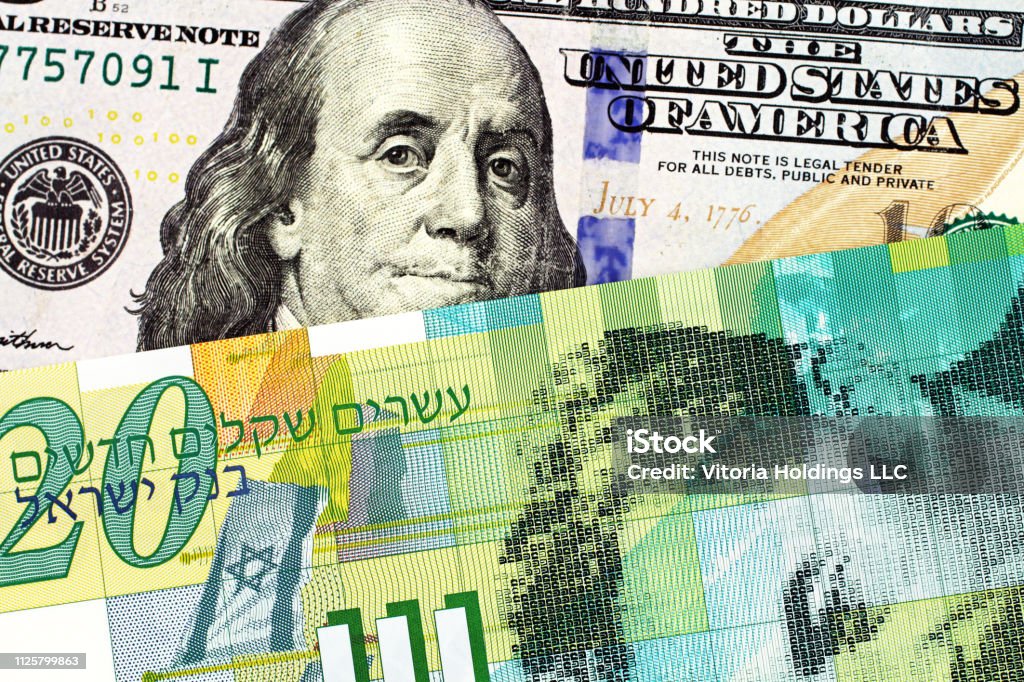
Waiting for the Shekel to Weaken? You May Not Have to Delay Your Purchase
For many foreign buyers, the biggest obstacle to purchasing property in Israel today isn’t finding the right apartment—it’s the exchange rate.
The shekel has strengthened significantly against many major currencies over the past year. As a result, buyers holding U.S. Dollars, Pounds or Euros often feel they’re being forced to exchange their money at an unfavorable rate.
Many tell us the same thing:
“We’ve found the right property… but we’re going to wait until the shekel comes back down.”
If you believe the current exchange rate is temporary and expect the shekel to return to a more “normal” level, postponing your purchase may seem like the logical decision.
Of course, no one can predict where exchange rates will go. The shekel may weaken, remain where it is, or even strengthen further. But if you believe today’s exchange rate is temporary, it’s worth knowing that you may have options that don’t require an immediate currency conversion.
Today, there are financing strategies that may allow you to purchase the property now while reducing—or even eliminating—the need to convert your foreign currency immediately.
Why Waiting Can Be Risky
While you’re waiting for a better exchange rate:
- The property you want could be sold.
- Prices may continue to rise.
- Mortgage conditions could change.
- Interest rates may increase.
In other words, trying to save money on the exchange rate could end up costing more elsewhere.
Fortunately, there are alternatives.
Strategy #1 – Buy Today, Convert Your Currency Later
One option is using what’s commonly called a back-to-back loan.
Instead of converting your Dollars, Euros or Pounds today, your foreign currency is deposited into an Israeli bank as a foreign currency certificate of deposit (CD), where it continues to earn interest.
The bank then lends approximately up to 90% of the current shekel value of that deposit, providing the shekels needed to complete the property purchase.
Because you’re both earning interest on the foreign currency deposit and paying interest on the shekel loan, the actual cost is simply the difference between the two interest rates. While this varies depending on market conditions and the currency involved, the net cost is often around 0.5-1% per year.
Your foreign currency remains untouched until you decide the exchange rate is more favorable, allowing you to convert your funds later if the shekel weakens.
For buyers who believe today’s exchange rate is unusually high, this strategy can provide valuable flexibility while allowing them to secure the property now.
Strategy #2 – You May Qualify for More Financing Than You Think
Many foreign residents assume Israeli banks will finance only 50% of a property’s value.
While that is often true for a standard mortgage, there are financing structures that can significantly increase the total financing available.
Depending on the buyer’s circumstances, financing can often reach 75% to 80% of the purchase price.
The result?
Less money needs to be converted into shekels today, allowing buyers to preserve more of their foreign currency while still completing the purchase.
Many buyers are surprised to learn these options even exist.
Strategy #3 – Delay When Most of Your Funds Are Needed
Another solution is structuring the financing so that the bank begins releasing mortgage funds after you’ve paid the first 10% of the purchase price, even if the seller requires a much larger initial payment.
In many transactions, we can coordinate the financing so that once the buyer has paid the first 10%, the bank begins funding the remaining installments of that initial payment directly to the seller.
This can significantly reduce the amount of foreign currency that must be converted early in the transaction while giving buyers additional time to:
- Wait for a potentially better exchange rate.
- Sell investments.
- Receive expected funds.
- Organize their finances without unnecessary pressure.
For many families, that additional flexibility can make the purchase far more manageable.
Every Buyer’s Situation Is Different
These strategies aren’t appropriate for everyone.
Eligibility depends on a variety of factors, including:
- Your country of residence.
- Your income.
- The property you’re purchasing.
- Your available assets.
- The lending bank’s underwriting requirements.
In many cases, several financing solutions can even be combined to create the most efficient financing structure.
That’s why it’s important to discuss your situation before assuming you’ll need to convert all of your foreign currency immediately.
Don’t Let the Exchange Rate Make the Decision for You
If you’re delaying your purchase solely because you believe the shekel is unusually strong, it may be worth exploring your financing options before putting your plans on hold.
You may discover there’s a way to secure the property now while giving yourself more flexibility on when—and how much—foreign currency you actually need to convert.
At First Israel Mortgages, we’ve spent more than 16 years helping foreign buyers finance homes in Israel. Every buyer’s circumstances are different, but time and again we’ve been able to help clients overcome obstacles they assumed would delay—or even prevent—their purchase.
If the current exchange rate is the only thing standing between you and owning a home in Israel, let’s talk. You may have more financing options than you think.